Interactive courses take far longer to produce than static ones. Chapman Alliance benchmarks put an hour of finished eLearning at 50 to 700 development hours, and ATD’s 2025 report puts the average cost per learning hour at $165, up 34%. That is why many backlists remain PDFs: building from scratch has been slow and expensive enough to make “later” the default answer.
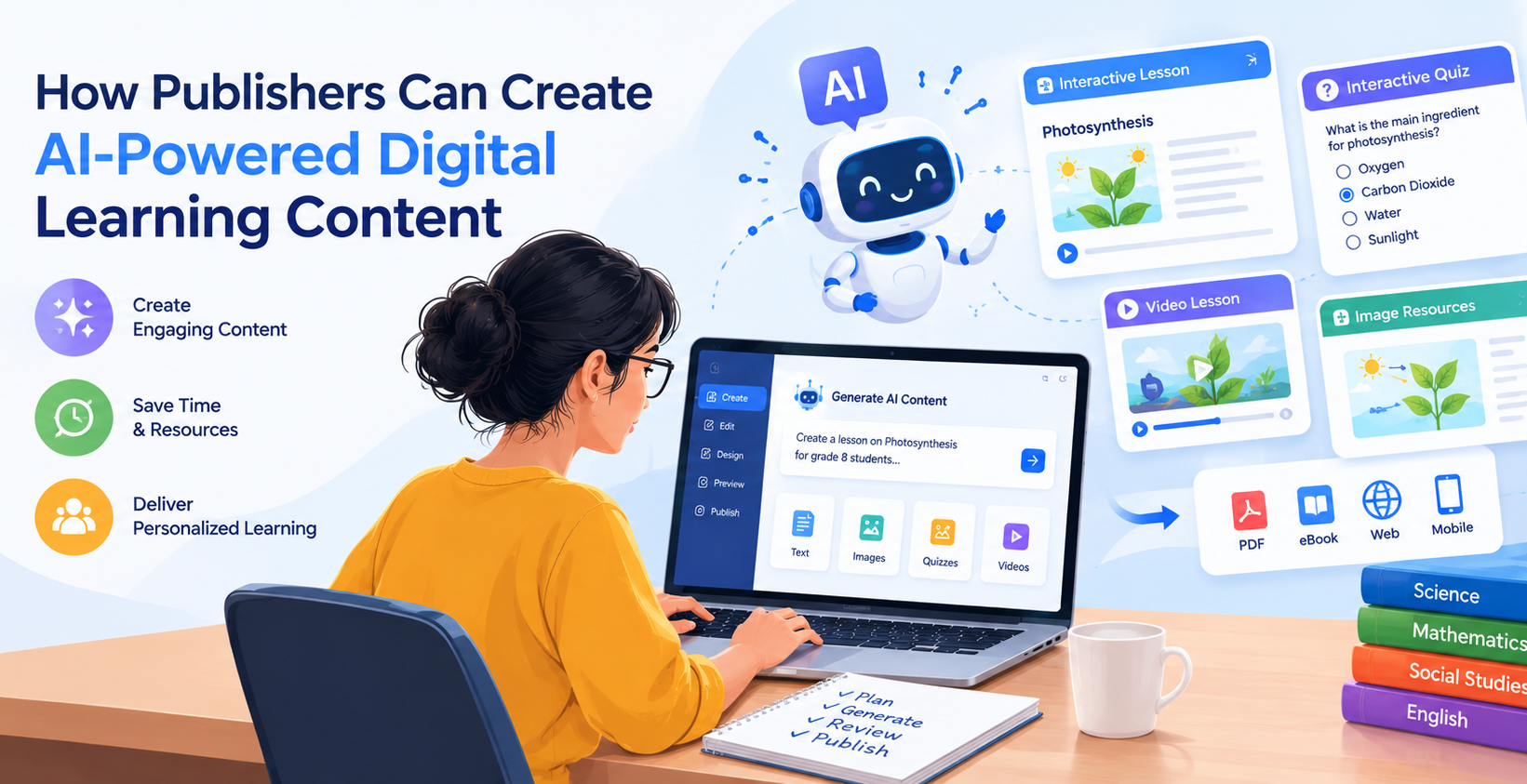
Building AI-powered digital learning content at scale
1. Templates speed up production
Reusable template libraries remove repeated design decisions, so teams spend their time on content.
2. AI review catches errors early
Checking terminology, tone and factual consistency during authoring is more reliable than manual review afterwards.
3. Design personalization from the start
Adaptive learning needs branching points, difficulty tiers and alternate explanations built into the structure, not added later.
4. Generate questions as you author
Questions generated from the content as it is written keep assessments tied to what was taught.
5. The real choice
Build each course from scratch, or work in a system where templates, review, personalization and assessment already exist. The second approach compounds into a larger, more digital-first catalogue.
Case study: Wiley
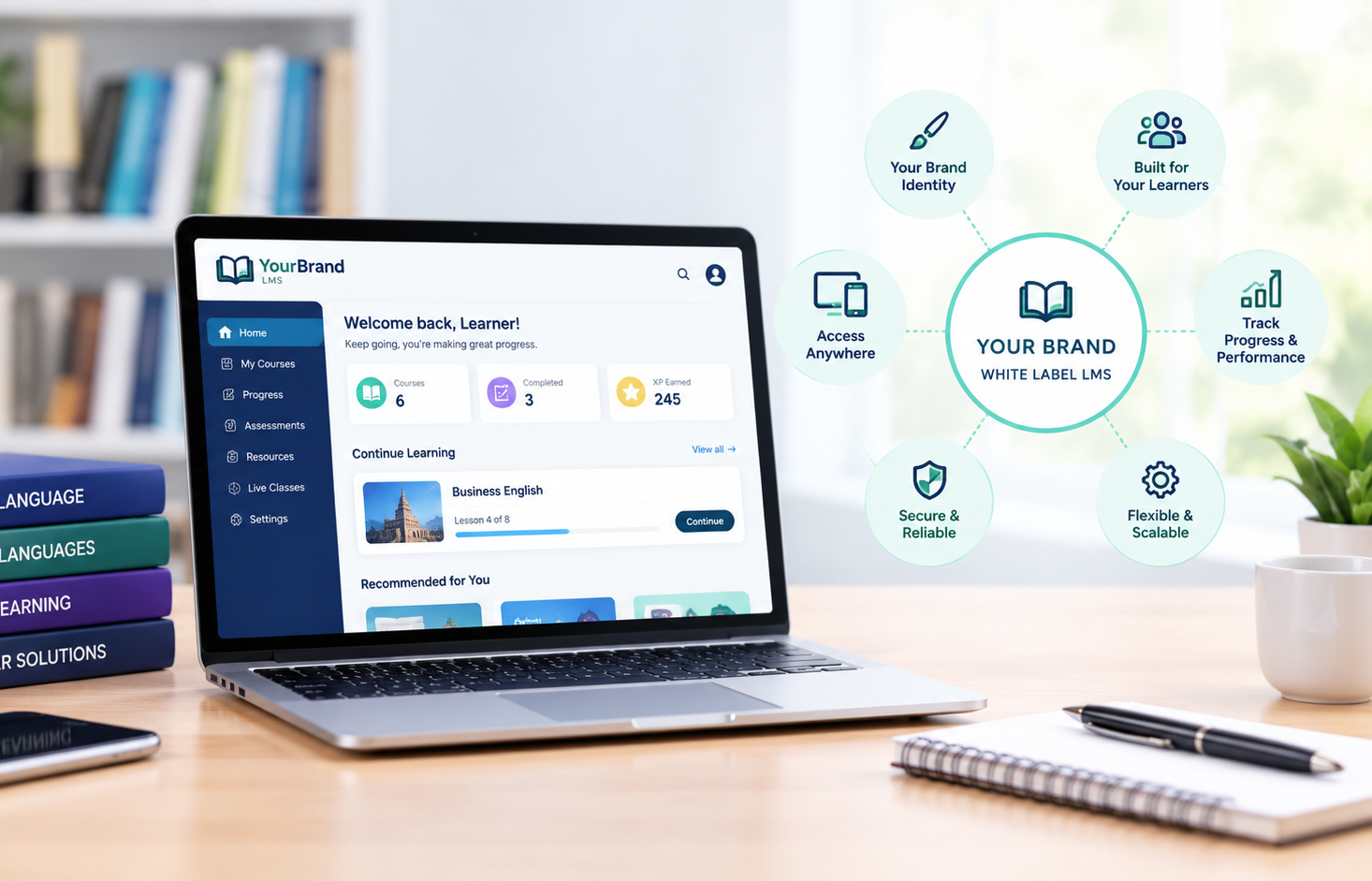
Wiley partnered with Liqvid to move its classroom English training into a digital workforce-learning programme: 120 hours of instructor-led training, 300 hours of self-study and 10,000+ interactive learning elements on web, Android and iOS, built in 10 months.
For a detailed discussion, write to info@liqvid.com or call +91-8448360148.