Publishers often have plenty of content but no repeatable process for turning it into useful digital learning material. Scanning pages does not make content more usable. Effective digitization means structuring, enhancing, assessing, delivering and maintaining material in a sensible order.
1. Audit the existing content
Review every asset (textbooks, PDFs, EPUBs, audio, video, worksheets, question banks) before converting anything. Decide what moves directly, what needs restructuring, where multimedia adds value and which assessments can link to chapters.
2. Convert the source into structured digital content
Break material into headings, sections, text blocks, images, activities and questions so each can be displayed, updated and reused. EPUB 3.3 is a sound basis for educational publications.
3. Add interactive elements
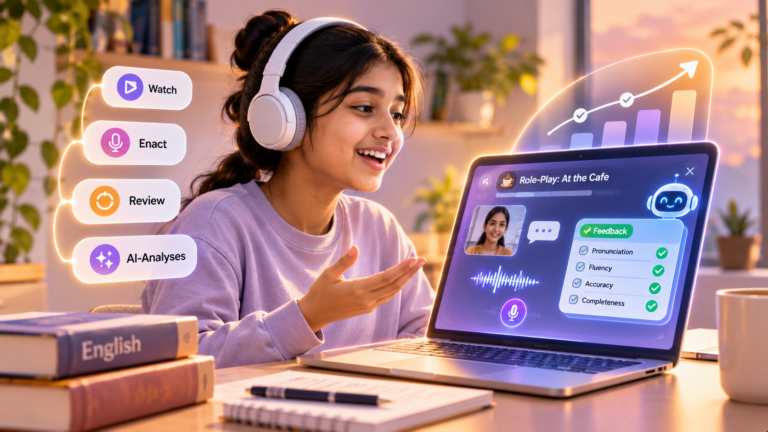
Decide where interaction helps most: embedded video, audio explanations, exercises, knowledge checks or simulations. The key question is what the learner should do with each piece.
4. Build multimedia around the subject
Narration, video, animation and diagrams explain processes print cannot. Start from the learning objective.
5. Turn assessment material into digital activities
Existing questions become interactive MCQs or chapter tests, organised by unit. For larger programmes, results can feed learner records and analytics.
6. Make the content accessible
Treat accessibility as part of production: text structure, image descriptions, multimedia and navigation, guided by the EPUB Accessibility specification and WCAG.
7. Prepare for multiple formats
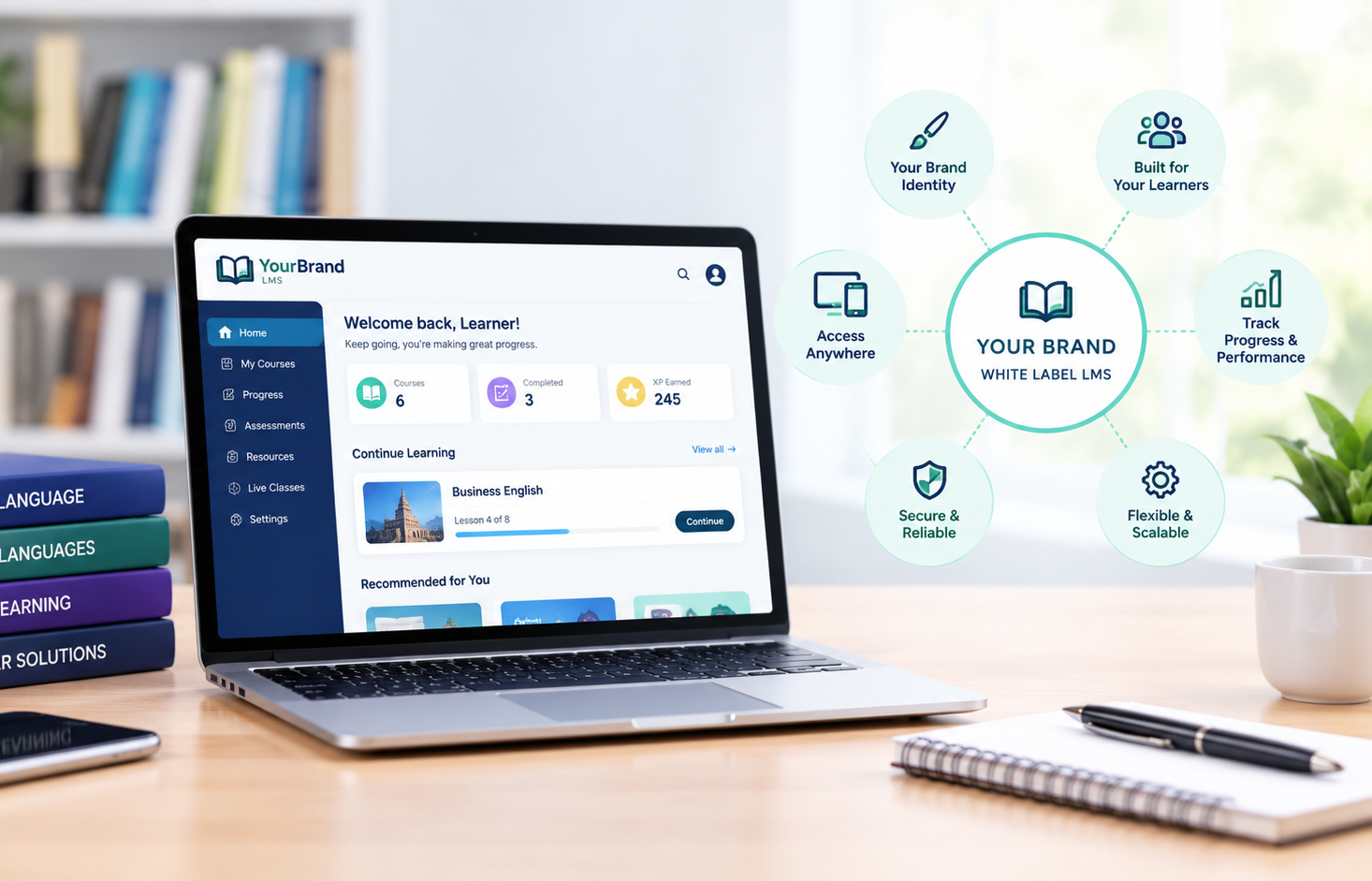
Build from reusable components, so the same material can ship as an interactive eBook, a digital course, a web platform or a mobile app.
8. Test before publishing
Check content transfer, interactivity, audio and video playback, assessment results and display across devices, including EPUB 3.3 validation. Subject and editorial teams should still review, since a technically working book can contain errors.
What should publishers digitize first?
Start with content that has a clear learning structure and strong reuse potential: core textbooks, popular coursebooks, assessment banks and high-demand supplements. Then add multimedia, AI-supported practice, assessments and analytics.
For a detailed discussion, write to info@liqvid.com or call +91-8448360148.